News

Transforming Maize Farming: Boosting Yields and Food Safety

Project Goals

    • Field Training: Equipping farmers with proven Good Agricultural Practices (GAP).

    • Aflatoxin Suppression: Raising awareness to eliminate toxic mold and contamination.

    • Economic Growth: Increasing the overall quality and market value of smallholder maize.

    • Safe Handling: Promoting strict standards for harvesting, drying, and storage.
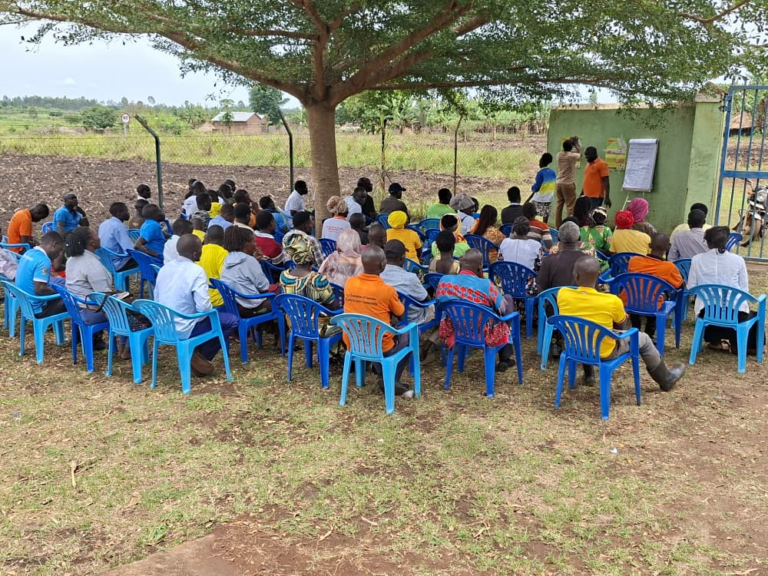
Farmers_Training_Session
Farmers Training Session

Who We Work With

Success relies on collaboration. This project brings together key agricultural innovators:

NaCRRI / NARO: Providing research-backed technical leadership.

Nhayamasa Farmers Association: Driving grassroots mobilization and logistics.

Smallholder Farmers: Serving as the frontline beneficiaries and project drivers.

                  [ NaCRRI / NARO ]  --> Technical Expertise
                          │
                          ▼
            [ Nhayamasa Farmers Association ]  --> Field Implementation
                          │
                          ▼
              [ Smallholder Maize Farmers ]  --> Direct Beneficiaries

From Seed to Store: Our Core Activities

We provide continuous, hands-on field support through every stage of the seasonal cycle:

  1. Soil & Input Readiness: Optimizing land preparation and selecting high-grade seeds.
  2. Crop Management: Implementing precise planting spacing, timely weeding, and strict pest control.
  3. Post-Harvest Protection: Teaching advanced drying and storage techniques to prevent aflatoxins.
  4. Field Mentorship: Conducting regular follow-up visits to troubleshoot farm challenges.


Sample Video of Rahbot/Amari:-

  1. Site Monitoring of seed Germination
  2. Ploughing period  
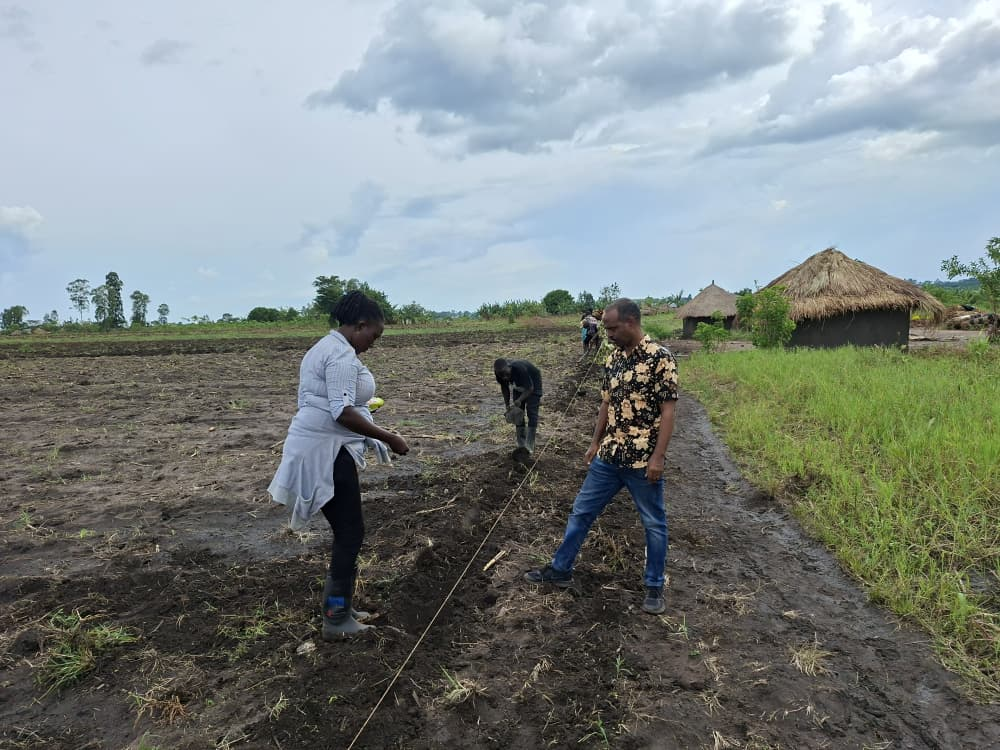
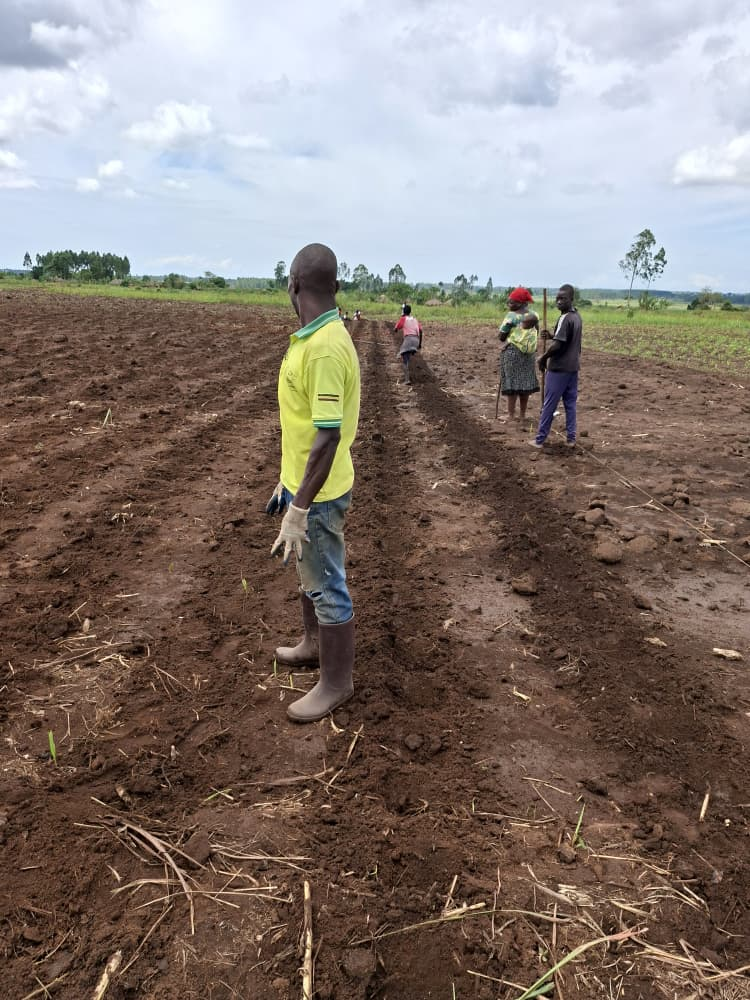
  3. Lining and Spacing of Plantation Plot, vulnerable women active roll helped by the pilot project.
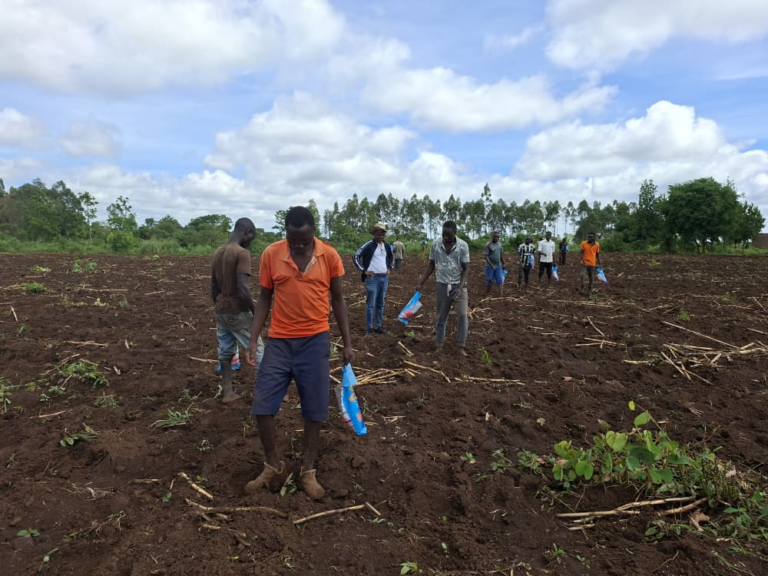
  4. First day of selected seed sowing  

Sample pictures of project activities by Rahbot/Amari during the first season of the pilot project

(Left to Right Pictures 1 to 6)

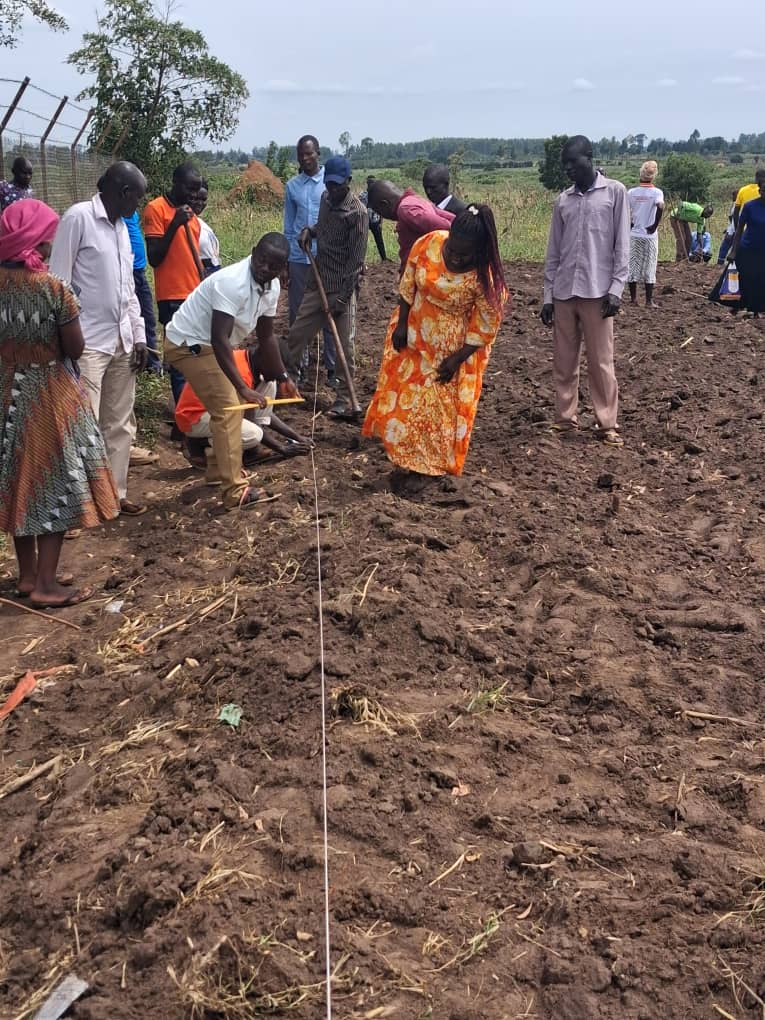
  1. Practical Training of Good Agricultural Practice (GAP) 
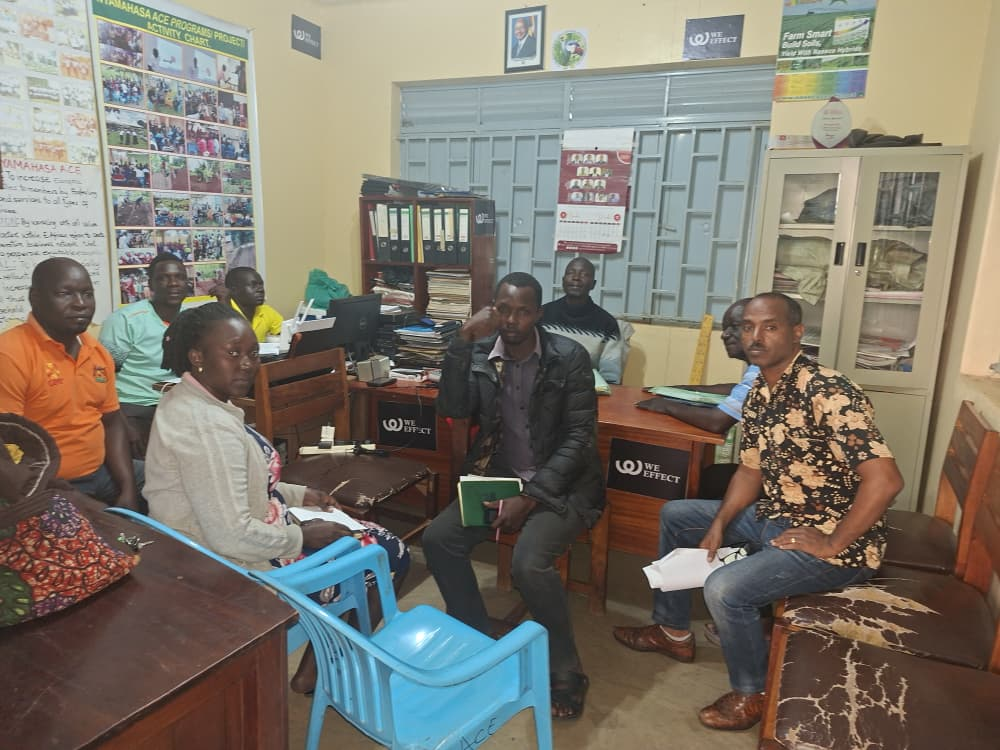
  2. Assessment and evaluation meeting with Trainers in the Cooperative office in Nanda Kyriadongo 
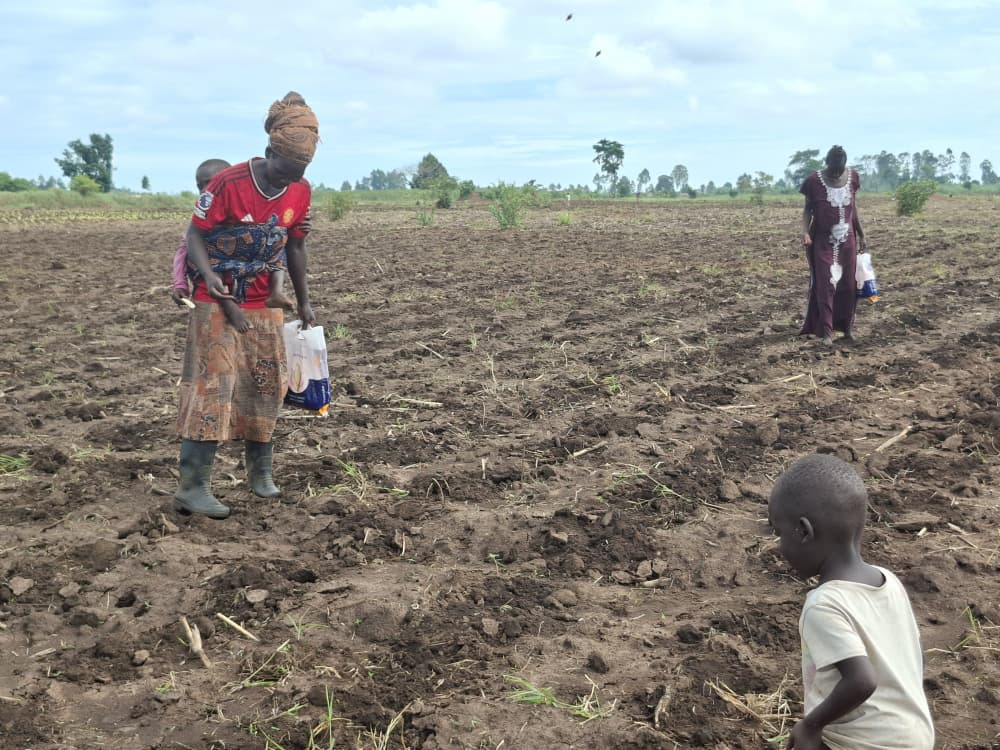
  3. Helped Economic vulnerable women taking place in the project to enable economic transforming.
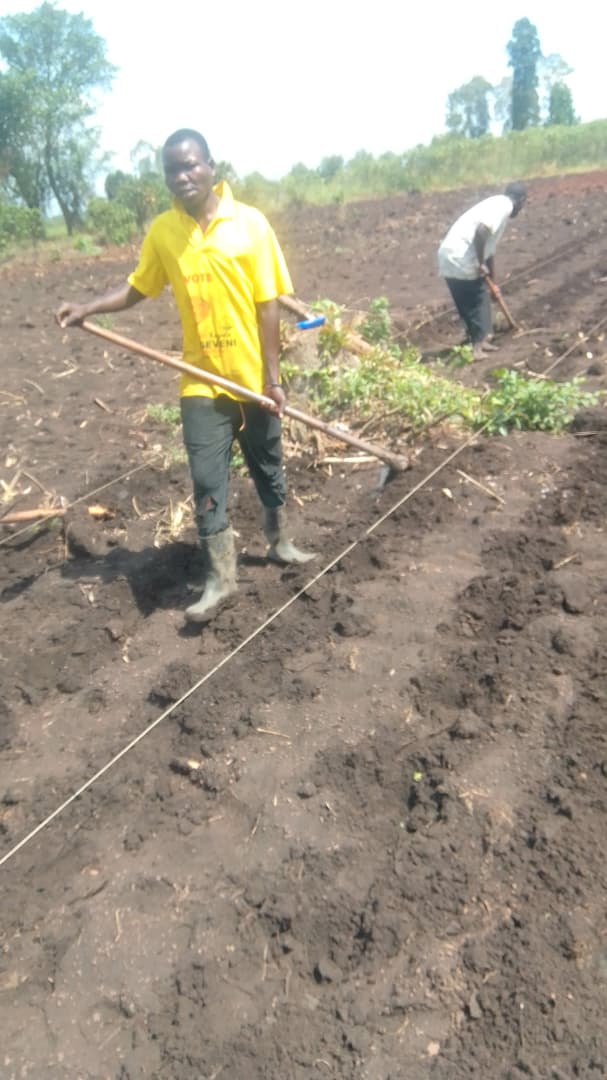
  4. Plantation Plot clearance, Spacing and lining.
  5. Trainer of Trainees (ToTs) on site demonstrating Good Agricultural  Practice (GAP)
  6. Lining and spacing plantation plot.

Sample Video of Activities by Rahbot/Amari :-

  1. Lining Spacing 
  2. Practical Training of Seed plantation by woman  Trainer of Trainees (ToTs) to demonstrate good agricultural practice (GAP)  

Lining and Spacing of Plantation Plot

Sample picture:- Lining and Spacing of Plantation Land

Sample pictures:- Practical Training of farmers Seed plantation and monitoring of Selected seeds applied 

Proven Success & Future Outlook

The results of this hands-on approach speak for themselves:

  • Yields Skyrocket: Participating farmers achieved a 200%+ increase in maize yields compared to previous seasons.
  • Living Examples: Successful participants now act as community demonstration models, inspiring neighboring farms.
  • Scalable Impact: This proof-of-concept lays a strong foundation for expanding the program nationwide.